Trying to choose between Newton and Brookline can feel harder than it should. Both are close to Boston, both have strong local identities, and both attract buyers and renters who want convenience, character, and long-term value. If you are weighing the two, this guide will help you compare how each town feels day to day, from housing and transit to schools and green space. Let’s dive in.
Newton vs. Brookline at a glance
At a high level, Newton and Brookline offer two different versions of close-in suburban living. Newton is larger, more spread out, and organized around 13 villages rather than one main downtown. Brookline is smaller, denser, and more compact, with commercial activity concentrated in a handful of walkable hubs.
Newton reports 88,923 residents across 17.83 square miles, with 4,987.8 people per square mile. Brookline reports 63,191 residents across 6.76 square miles, with 9,347.8 people per square mile. In practical terms, that often means Newton feels more village-based and residential across a larger area, while Brookline feels more continuous and urban in its layout.
Choose based on daily lifestyle
Your best choice often comes down to how you want everyday life to feel. Think less about town names and more about how you want to move through your week.
If you want a town with multiple centers, more geographic variety, and a broader suburban layout, Newton may fit better. If you want a denser, more walkable setting with easy access to active commercial hubs, Brookline may be the stronger match.
Newton feels more village-based
Newton’s commercial activity is spread across village centers, neighborhood centers, convenience centers, gateway centers, retail and service clusters, office clusters, and industrial clusters. That structure creates a town with many distinct pockets rather than one dominant core.
For you, that can mean more choice in setting and rhythm. One village may feel quieter and more residential, while another may place you closer to shops, transit, and daily errands.
Brookline feels more compact
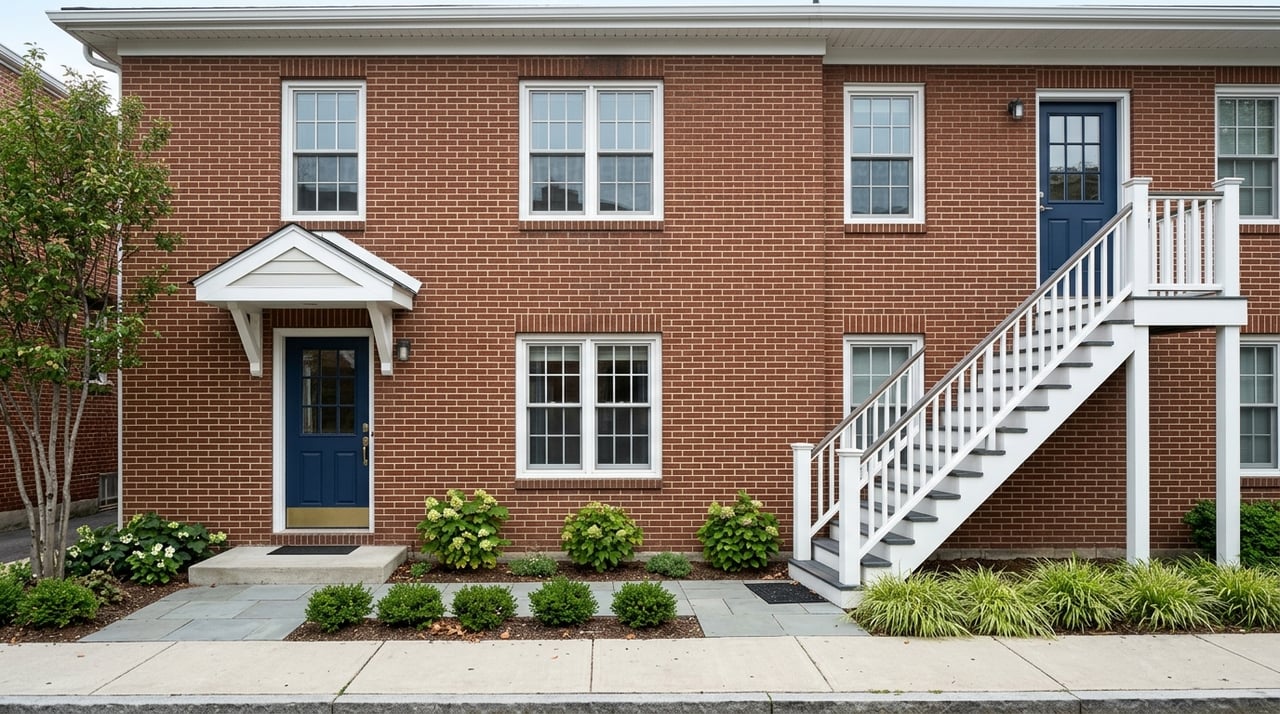
Brookline describes itself as a mature suburban residential community with urban characteristics, and it is surrounded by Boston on three sides. Less than 6% of the town’s land is zoned for commercial use, which helps explain why activity is concentrated in a few well-known hubs.
Brookline’s walkable centers include Brookline Village, Coolidge Corner, Washington Square, JFK Crossing, and St. Mary’s. If you want a more compact town where these destinations play a big role in daily life, Brookline may feel more intuitive and connected.
Compare housing stock and price profile
Both towns are expensive, but their housing mix is meaningfully different. That matters because the type of home you want will often narrow your search faster than anything else.
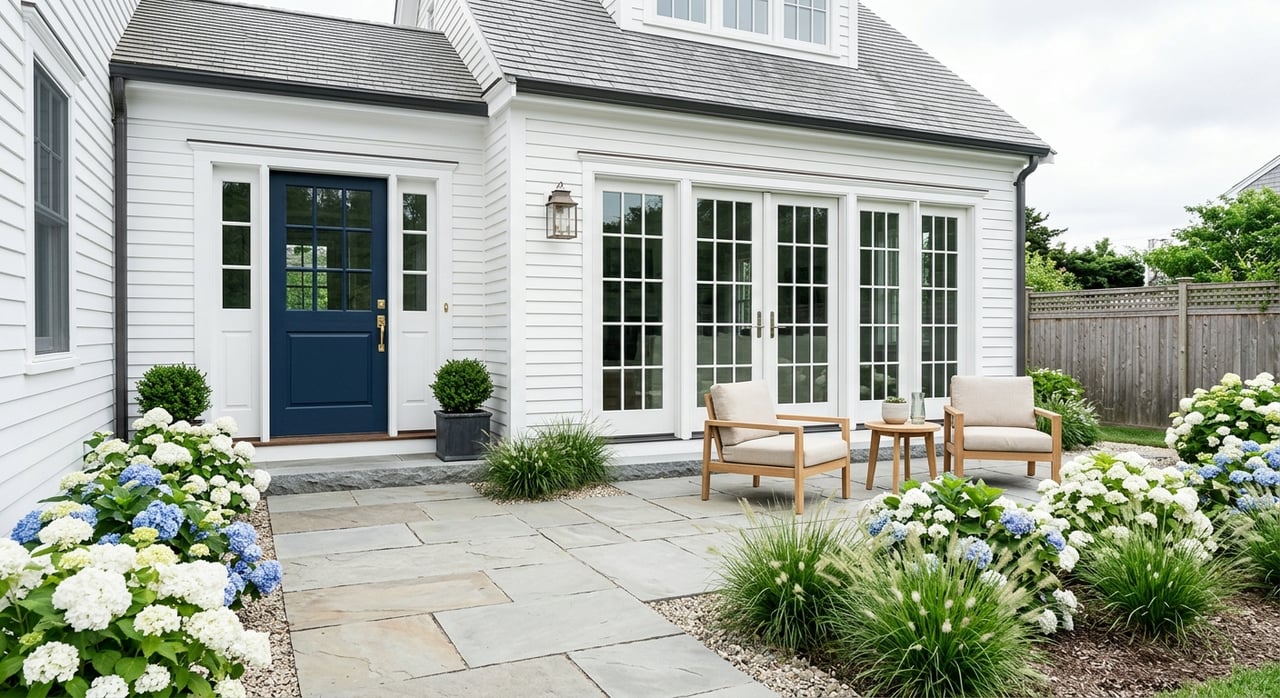
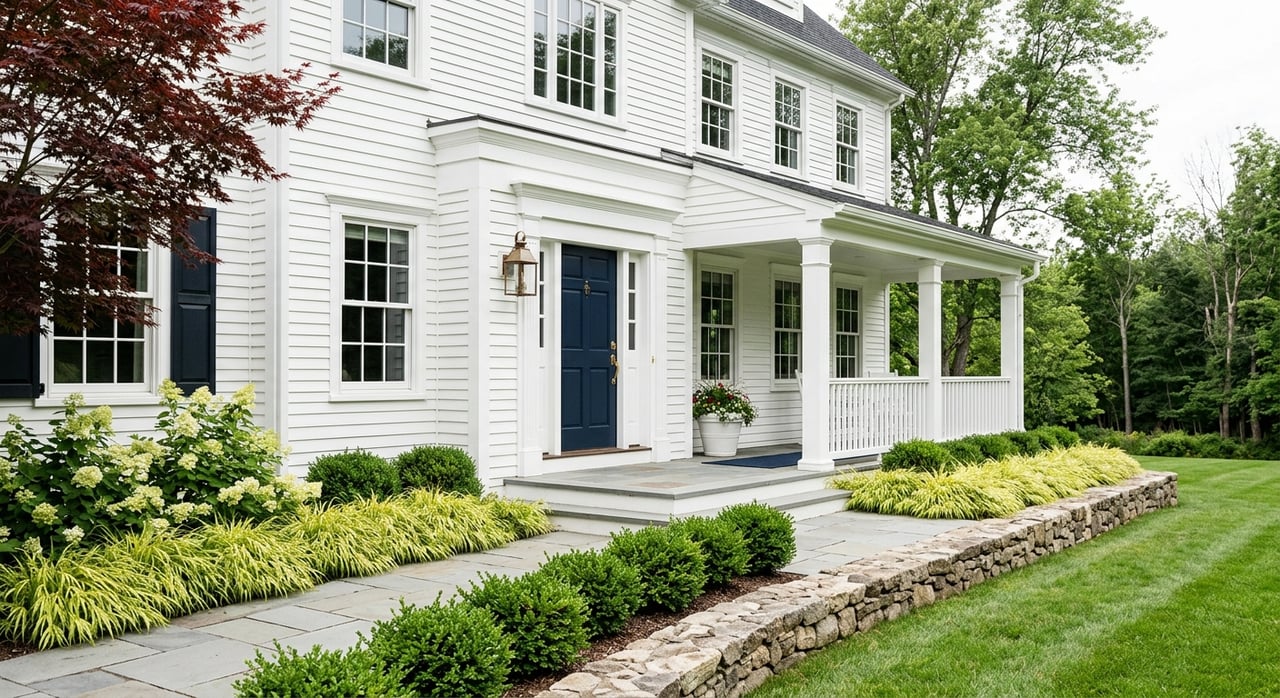
Newton has a larger share of single-family housing, while Brookline has a more multifamily-heavy housing base. If you are deciding between a detached home, condo, apartment, or rental, this is one of the clearest decision points.
Newton offers more detached-home inventory
Newton’s 2020 housing snapshot recorded 17,184 single-family units, 5,235 condominium units, 5,386 two-family units, 819 three-family units, 4,328 apartment units, and 102 accessory apartments, for a total of 33,054 units.
That mix makes Newton especially relevant if you are prioritizing a single-family home or a larger-lot feel. It also gives you a broader range of village-based housing options across a wider geography.
Brookline leans more multifamily and renter-heavy
Brookline’s assessment materials show that only 18.4% of housing units are in single-family detached homes. At the same time, 33.2% of units are in buildings with 20 or more units, and renters occupy 51.2% of all housing units.
If you are looking for a condo, apartment, or rental in a denser setting, Brookline may offer a better fit for your goals. Its housing profile lines up well with buyers and renters who want a more urban-suburban blend.
Prices are high in both towns
Current Census estimates show a median owner-occupied value of $1,264,900 in Newton and $1,246,800 in Brookline. Median gross rent is $2,370 in Newton and $2,835 in Brookline.
Owner occupancy also differs. Newton’s owner-occupied housing rate is 70.0%, compared with 46.9% in Brookline. That difference can shape the feel of the housing market depending on whether you are buying for long-term use or renting for flexibility.
Transit and commute considerations
If commute patterns matter to you, both towns offer strong access, but in different ways. Your experience may depend on whether you want transit variety, direct Green Line access, or flexibility across several travel modes.
Newton and Brookline have very similar average commute times in the latest Census estimates. Newton’s average commute time is 26.6 minutes, and Brookline’s is 27.1 minutes.
Brookline is strong for transit-first living
Brookline highlights the Green Line as the best way to get there. The C branch runs along Beacon Street from St. Mary’s to Coolidge Corner to Cleveland Circle, the D branch runs from Longwood Medical Area through Brookline Village to Reservoir, and the B branch serves the town’s northern edge. Brookline is also served by bus routes 51, 60, 65, and 66.
If you want a town that is easy to frame around transit access and closeness to Boston destinations, Brookline stands out. That is especially true if your routine centers on Longwood or other nearby city neighborhoods.
Newton offers more transportation modes
Newton has Green Line D branch service at Riverside, Woodland, Waban, Eliot, Newton Highlands, Newton Centre, and Chestnut Hill. It also has commuter rail stops at Auburndale, West Newton, and Newtonville.
That combination gives you more ways to think about location. If you want to compare village living with different transit options and a more suburban street pattern, Newton gives you more variety town-wide.
Schools and town structure
For many buyers, school structure is part of the neighborhood decision, even if it is not the only factor. Here, the biggest difference is scale and how each district is organized.
Newton Public Schools serves 11,494 students in 15 elementary schools, 4 middle schools, 2 high schools, 2 alternative high school programs, and an integrated preschool program. The Public Schools of Brookline serves more than 7,000 students from pre-K through grade 12 in one high school, eight preK-8 schools, and multiple early education classrooms.
Newton has more buildings and transitions
Newton’s district structure includes more school buildings and more transitions across grade bands. For some households, that wider system can align with the town’s larger size and village structure.
If you are comparing neighborhoods within Newton, it may help to think about how village location interacts with your daily routine, travel patterns, and school logistics.
Brookline is more centralized
Brookline’s district is smaller and more centralized in structure. The district has also been working through a long-term capital plan related to overcrowding and enrollment growth.
For you, that may be useful context if you value a more compact district footprint as part of your town search. It is less about one being better and more about which structure fits your household.
Green space and outdoor feel
If outdoor space is a big part of your lifestyle, this is another meaningful difference. Both towns offer parks and open space, but they deliver them in different ways.
Newton says open space makes up 19.6% of its land, and the city maintains about 1,200 acres of parkland, playgrounds, school grounds, and burial grounds. Edmands Park is Newton’s largest natural wooded passive-use park at 32.6 acres.
Brookline says it has a substantial and diverse park system despite its urban character. Larz Anderson Park, the town’s largest park, spans 61.13 acres and includes fields, trails, ponds, a playground, and a community garden.
Newton offers a bigger-open-space feel
Because Newton is larger overall, it often feels like the town with more room for larger open-space parcels. If you picture your ideal week including more spread-out residential streets and a broader suburban setting, that may appeal to you.
Brookline blends parks into dense living
Brookline’s green spaces are more integrated into a dense, walkable town fabric. If you want outdoor access while still staying close to active commercial areas and transit, Brookline may be the better balance.
Quick decision guide
If you are still torn, these cues can help simplify the choice.
Choose Newton if you want:
- More detached-home inventory
- A larger-lot or more spread-out residential feel
- Multiple village centers with distinct character
- Green Line and commuter rail options
- A larger town geography with more neighborhood variety
Choose Brookline if you want:
- A denser, more urban-suburban setting
- More multifamily, condo, and rental options
- Walkable hubs that play a strong role in daily life
- Strong Green Line access
- A compact town layout close to Boston
The best choice is personal
There is no universal winner between Newton and Brookline. The right fit depends on what you want your home search to solve, whether that is space, walkability, transit access, housing type, or long-term flexibility.
That is where local guidance really matters. A condo search in Brookline and a single-family search in Newton can feel completely different, even when your price point is similar. When you understand how each micro-market functions, it becomes much easier to focus your search and move with confidence.
If you want help comparing specific neighborhoods, housing types, or commute patterns in either town, the Marika & Adam Real Estate Group can help you narrow your options and build a strategy that fits how you actually live.
FAQs
How is Newton different from Brookline for everyday living?
- Newton is larger and organized around 13 villages, while Brookline is smaller, denser, and centered around a handful of walkable commercial hubs.
Is Newton or Brookline better for single-family homes?
- Newton has more detached-home inventory, with 17,184 single-family units reported in its 2020 housing snapshot.
Is Brookline or Newton better for condos and rentals?
- Brookline has a more multifamily-heavy and renter-heavy housing profile, which can make it a strong fit if you are focused on condos, apartments, or rentals.
How do Brookline and Newton compare for transit access?
- Brookline is strongly oriented around Green Line access and nearby bus routes, while Newton offers Green Line stations plus commuter rail stops across a larger geography.
How do Newton and Brookline compare for parks and open space?
- Newton offers a larger-open-space feel across a bigger town, while Brookline’s parks are woven into a denser and more walkable setting.
How do Newton and Brookline compare for school district structure?
- Newton’s district includes more school buildings and more grade-band transitions, while Brookline’s district is smaller and more centralized.