Eyeing a Brookline condo near the Green Line but not sure where to start? You want the walkable lifestyle and easy commute, without surprises after you close. With condos, you buy a home and a share of a community, so the details matter. In this guide, you’ll learn what to review, what to ask, and how to spot red flags before you tour. Let’s dive in.
Brookline condo landscape
Brookline offers high transit access, walkable retail nodes like Coolidge Corner, Washington Square, Brookline Village, and access to nearby Longwood. Many buyers come from Boston seeking city convenience with a bit more space. Proximity to the Green Line is a major value driver for condos, both for daily life and resale.
Common building types
- Converted brownstones and triple‑deckers: Character details and older systems are common. Expect smaller footprints and likely no elevator.
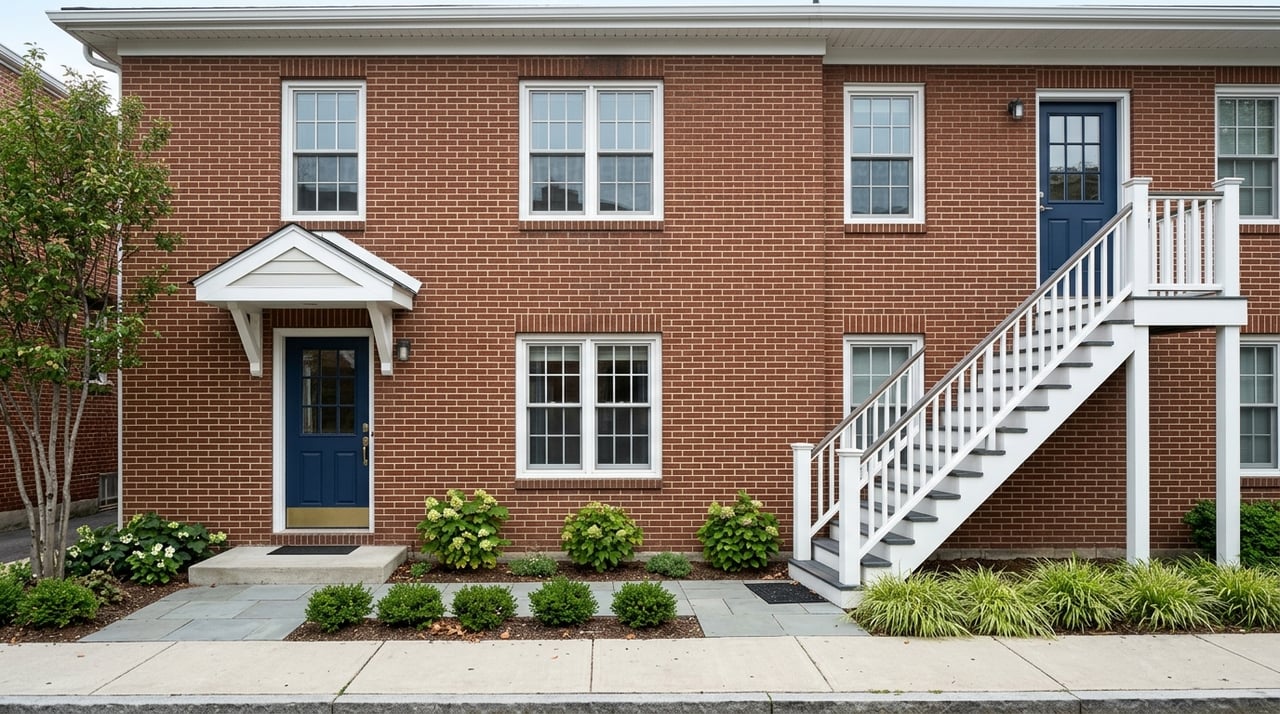
- Pre‑war brick walk‑ups: Solid construction with variable sound and insulation, sometimes with shared boilers.
- Mid‑century elevator buildings: Post‑war brick or concrete, often with elevators and larger mechanical systems to maintain.
- Newer infill or gut‑rehab conversions: Modern systems and finishes, often with parking or amenities.
- Garden or townhouse‑style communities: Less common in central Brookline but found on the edges.
Why age and style matter
- Maintenance costs and capital projects often track with construction type and age. Roofs, masonry, boilers, windows, and elevators drive long‑term expenses.
- Accessibility varies. Elevators and stair‑only access affect daily convenience and resale.
- Sound can travel in older buildings. Pay attention to floor and wall transmission during tours.
Know your condo documents
Before or immediately after making an offer, request a full condo document package. Reviewing these with a Massachusetts condo attorney can protect you from costly surprises.
Core legal documents
- Master Deed or Declaration: Defines unit boundaries, common elements, and easements. Confirm parking rights, maintenance duties, and rules for alterations.
- Bylaws and rules: Governance, voting, assessments, leasing and subletting rules, pet policy, and use restrictions.
- Trust agreement or association articles: How the entity is organized and officer responsibilities.
Financial and operations
- Current budget and recent financials: Look for operating deficits or repeated reserve draws.
- Reserve study or policy and reserve balance: Indicates planning and funding for big‑ticket items.
- Assessment history for 3–5 years: Frequency and size of special assessments.
- Meeting minutes for 12–36 months: Pending projects, disputes, litigation, or surprise repairs.
- Management contract: Term, fees, and termination clauses if a professional manager is involved.
Insurance and risk
- Master insurance certificate: What the master policy covers versus what you must cover with an HO‑6 policy. Check coverage limits and deductibles.
- Claims history for 3–5 years: Significant losses can impact premiums and future risk.
Ownership and leasing
- Owner roster: See investor concentration and whether any single entity owns many units.
- Leasing policy: Rental caps, subletting, and short‑term rental rules.
- Parking and storage: Deeded vs. assigned spaces and maintenance responsibilities.
Legal issues and red flags
- Pending or threatened litigation: Lawsuits against contractors, building defects, or insurance claims.
- Code violations, open permits, or municipal orders.
- Massachusetts condominium law applies statewide. A condo attorney familiar with Chapter 183A can help you interpret documents and risks.
Money basics: fees, reserves, financing
Understanding how the association manages money is just as important as the home itself.
HOA fees explained
HOA fees, also called common charges, pay for common area maintenance, landscaping, master insurance, snow removal, elevator service, janitorial, common utilities, management, and reserves. Fees vary widely. Some buildings include heat and hot water. Others meter utilities to each unit. Compare fees in the context of what they include.
Reserves and special assessments
- Reserves: Cash set aside for predictable long‑lived components like roofs, masonry, elevators, boilers, and paving. A reserve study estimates useful life and replacement costs.
- Red flags: No reserve study, very low balances relative to needs, or repeated emergency draws.
- Special assessments: One‑time charges for large projects when reserves fall short. Request a 5‑year history and ask about planned projects to gauge near‑term costs.
Financing and lender rules
Not every lender will finance every condo project. Lenders and loan programs have project eligibility rules that may include:
- Minimum owner‑occupancy ratios.
- Limits on single‑entity ownership and investor concentration.
- Concerns about litigation, budget shortfalls, or inadequate reserves.
If you need FHA or VA financing, confirm whether the project meets those programs’ standards. Get pre‑approved early with a lender familiar with condo loans and verify project eligibility for your specific loan type.
Insurance and taxes
- Master policy types vary. Some are “all‑in,” others cover common elements and the building shell only. You will need an HO‑6 policy tailored to the master policy.
- Property taxes are set by the Town of Brookline and based on assessed value. Review recent assessments for similar units to estimate annual taxes.
What to check before and during tours
Preparation saves time and protects your budget. Ask for documents before you fall in love with a unit.
Request these documents first
- Last 2–3 years of audited or reviewed financials
- Current budget and the most recent reserve study or reserve policy
- Minutes for the last 12–36 months
- Master insurance certificate with deductible details
- List of pending or approved special assessments and voted capital projects
- Owner roster
- Management contract and any relevant vendor warranties
- Parking and storage assignment paperwork
On‑tour checklist
- Inside the unit: Signs of water intrusion, window condition, sound transmission, storage and closets, kitchen and bath condition, age and location of HVAC or boiler.
- Building areas: Lobby and halls, stairways, elevator condition, mail and trash rooms, roofline, façade and masonry pointing, drainage, and entry security.
- Mechanical access: Boilers, hot water tanks, electrical panels, and ease of service access.
- Deferred maintenance: Peeling paint, stained ceilings in common areas, or posted elevator downtime notices.
Parking and transit specifics
- Parking: Confirm deeded or assigned spaces versus first‑come or wait‑list. Verify guest rules and any municipal limits.
- Permit rules: Brookline has residential permit zones and limited on‑street space. Check availability and visitor options.
- Transit: Walk the actual route to the nearest Green Line stop and note stairs or busy crossings. Transit convenience supports daily life and demand.
Questions for the board or manager
- What capital projects are planned in the next 1–3 years and how will they be funded?
- Have there been special assessments in the past 5 years? For what and how much?
- What is the current reserve balance and was a reserve study used?
- Is there pending litigation or unresolved insurance claims?
- What is the policy on rentals, subletting, and short‑term rentals?
- How is parking assigned and what are guest policies?
- How often are board meetings held and can owners attend?
The right team and timing
Buying a condo blends real estate and shared governance. The right local advisors will help you read both sides of the purchase.
Who to involve
- Real estate agent with Brookline condo experience: Pricing context, comps, and neighborhood insight.
- Massachusetts condo attorney: Review the master deed, bylaws, management contracts, and closing documents.
- Mortgage lender versed in condo loans: Confirm project eligibility for your loan program.
- Inspector or building systems specialist: Especially helpful for older buildings or when minutes hint at major repairs.
Contingencies and negotiation
- Build in time for a document review contingency so your attorney can evaluate the package before you commit.
- If you discover low reserves or planned projects, negotiate credits, price adjustments, or require the seller to cover a portion of imminent assessments.
- For older buildings, consider a specialist inspection contingency if documents suggest structural or major mechanical concerns.
Red flags to pause on
- Significant pending litigation
- Repeated or large special assessments without improved reserves
- High investor concentration or one owner holding many units
- Master insurance with very high deductibles or unclear coverage
- Management turnover, board disputes, or weak financial controls in minutes
Quick buyer checklist
- Request: Current budget, reserve study, last 12–36 months of minutes, insurance certificate, owner roster, and the list of special assessments.
- Ask: Who pays for what utilities and services, including heat, hot water, snow removal, elevator repair, and common utilities.
- Check: Parking assignment and permit rules, and walk the route to the nearest Green Line stop.
- Confirm: Your lender’s project eligibility if you plan to use FHA or VA financing or the building has many rentals.
Buying a condo in Brookline can be a smart move if you pair the right home with a well‑run association. Focus on the documents, the building’s age and systems, and how the HOA manages money. When you want local guidance from a team that lives and works these streets every day, reach out to the Marika & Adam Real Estate Group for a friendly, data‑driven plan tailored to your goals.
FAQs
What condo documents should I review before buying in Brookline?
- Ask for the master deed, bylaws and rules, current budget, recent financials, reserve study or policy, meeting minutes for 12–36 months, insurance certificate, assessment history, owner roster, and management contract.
How do HOA fees work in Brookline condos?
- Fees cover common expenses like master insurance, maintenance, snow removal, common utilities, management, and reserves; compare buildings by what fees include, not just the dollar amount.
What are special assessments and how can I plan for them?
- A special assessment is a one‑time charge for big projects when reserves are short; review the 5‑year assessment history and ask about planned projects to estimate near‑term costs.
Can I use FHA or VA financing for a Brookline condo?
- Yes, if the project meets program standards; verify project eligibility early with a lender experienced in condo loans because occupancy ratios, reserves, or litigation can affect approval.
Why does Green Line proximity matter for condos?
- Transit access supports daily convenience and demand; walking distance to the Green Line often influences buyer interest, rental appeal, and long‑term resale.
Do I need a Massachusetts condo attorney?
- It is highly recommended; Massachusetts condominium law governs formation and operations, and a condo attorney can spot risks in the documents and protect your interests.